Stan Cho Resigns from Doug Ford’s Cabinet Amid Spending Controversy
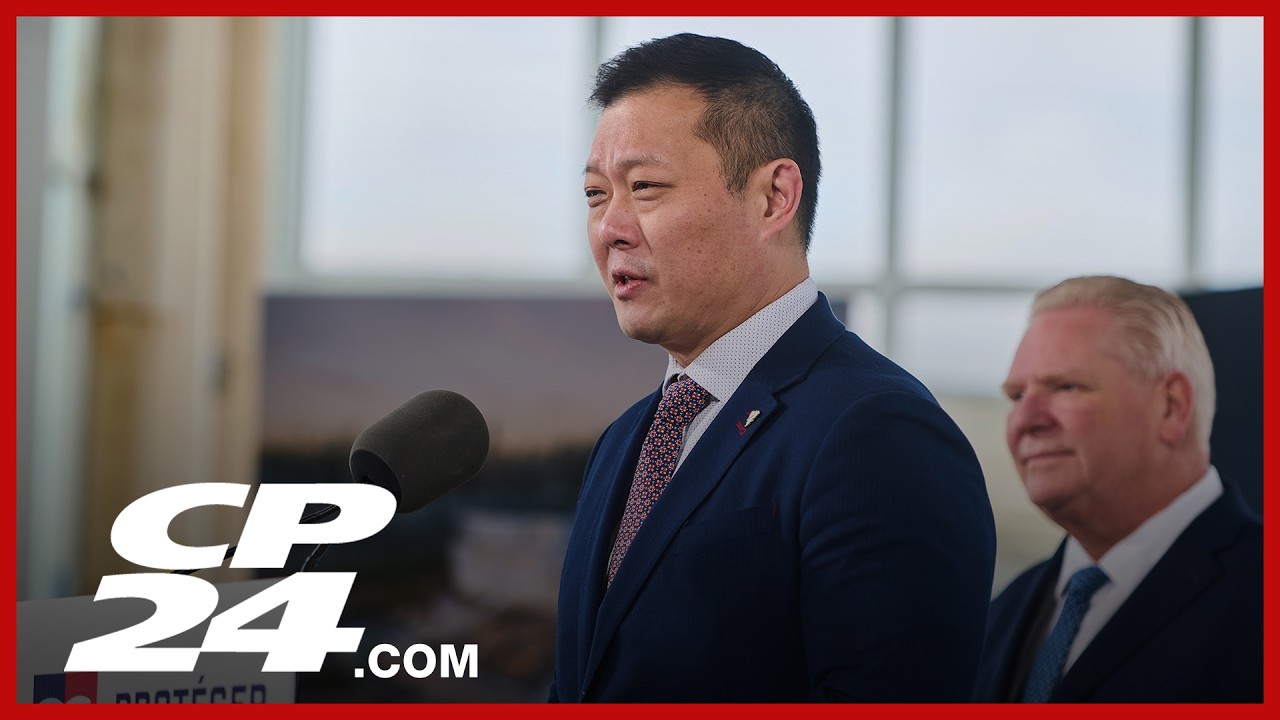
In a significant political development, Stan Cho has resigned from his position in Premier Doug Ford’s cabinet, amid growing scrutiny over his spending practices. The Minister of Tourism, Culture, and Sport found himself at the center of controversy following revelations about his overnight hotel stays in Toronto, despite residing only a few kilometers from the Ontario legislature.
This incident has sparked a broader conversation about accountability and transparency within the provincial government. Spending taxpayer dollars on accommodations when one is in close proximity to their workplace raises questions about the appropriateness of such actions. Cho’s resignation serves as a stark reminder of the challenges public officials face, particularly regarding expenditures that may appear extravagant or unwarranted.
Stan Cho has been a prominent figure within the Ford administration, known for his work in the tourism and gaming sectors. However, the growing fallout from this situation forced his hand, leading to his decision to step down. While Cho will no longer continue in his ministerial role, he will maintain his position as the Member of Provincial Parliament (MPP) for Willowdale. This duality raises interesting implications for constituents who may feel both relieved and concerned about their representation in light of this scandal.
In a statement regarding Cho’s resignation, Premier Doug Ford acknowledged the situation directly. “Earlier today, I accepted the resignation of Stan Cho from cabinet effective immediately,” Ford stated. He emphasized that Cho had taken responsibility for his actions, a move that could be seen as an attempt to restore some level of credibility to the cabinet amidst the controversy. Ford’s assertion indicates a preference for accountability, particularly in a time when public trust in government officials is often tenuous at best.
Replacing Stan Cho in the interim is Doug Downey, the MPP for Barrie, who will assume leadership of the Ministry of Tourism, Culture, and Sport. This transitional appointment might provide a sense of stability for the ministry, as it navigates the ongoing challenges of an industry still recovering from the impacts of the COVID-19 pandemic. Downey’s experience may offer the continuity needed at a time when the province is striving to bolster tourism and culture, sectors essential to Ontario’s economy.
The resignation comes at a particularly delicate moment for the Ford government. As the administration approaches critical decisions regarding funding and policy in the tourism sector, internal stability is paramount. Ford’s handling of Cho’s resignation could be seen as an attempt to reassure stakeholders that the cabinet is still committed to serving the public interest, even amidst adversity.
Political analysts anticipate that this incident may have repercussions beyond Cho’s immediate resignation. It could fuel wider discussions about spending practices among government officials, especially in light of a public increasingly concerned about fiscal responsibility. Voter sentiment towards government spending has shown to influence electoral dynamics, and Cho’s case could contribute to heightened scrutiny of similar issues in the future.
Moving forward, it will be essential for the Ford administration to demonstrate effective governance to regain any lost trust. Transparency and accountability should not just be buzzwords; they must translate into actions that resonate with the electorate. How the government handles this incident and its aftermath could define its reputation and the relationship it maintains with Ontarians.
As the dust settles on this controversy, the focus will inevitably shift from Cho’s resignation to the steps taken to ensure such lapses do not occur again. The political landscape is one of constant change and scrutiny, and this event may serve as a pivotal moment for both the Ford government and its constituents. Whether it leads to tangible reforms or merely a footnote in Ontario’s political history remains to be seen.